
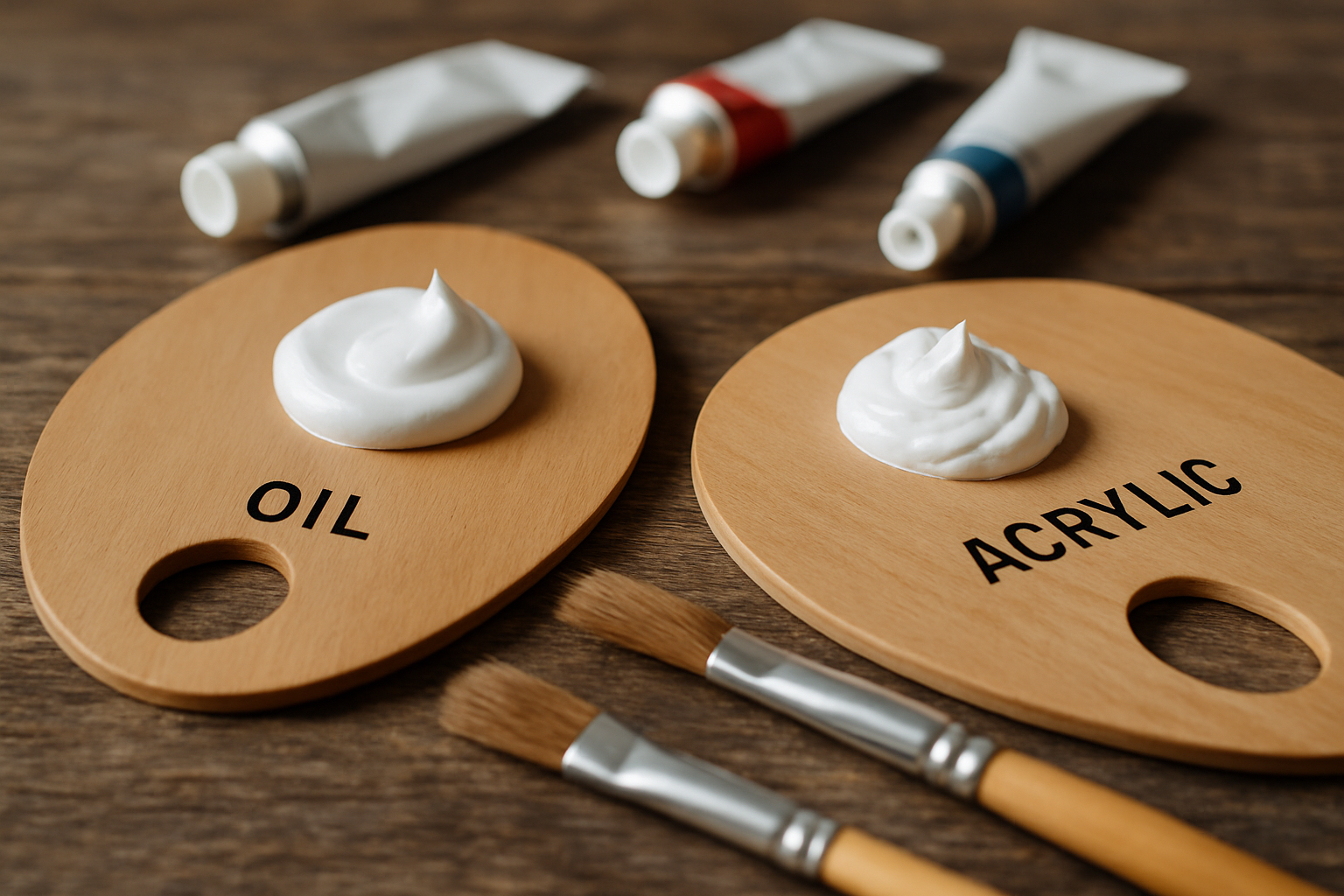
What is the Difference Between Oil and Acrylic Paint?
What is the Difference Between Oil and Acrylic Paint: A Comprehensive Guide
Are you confused about what is the difference between oil and acrylic paint? Many aspiring artists face this dilemma when choosing the right medium for their creative endeavors. While both oil and acrylic paints have their unique characteristics, understanding their differences can significantly impact your artwork’s quality and technique. With over 15 years of experience in the art world, I will guide you through the fundamental distinctions between these two popular paints. In this article, you’ll learn about their composition, drying times, application methods, and the advantages and disadvantages of each medium, helping you make an informed decision for your next masterpiece.
Understanding the Basics of Oil and Acrylic Paint
Oil and acrylic paints are two of the most popular mediums used by artists. The primary difference between them lies in their composition and drying times. Oil paint is made from pigments suspended in oil, typically linseed oil, which results in a rich texture and vibrant colors. On the other hand, acrylic paint is water-based, composed of pigments suspended in an acrylic polymer emulsion. This fundamental difference affects not only the appearance and texture of the paint but also how it behaves during application and drying.
Composition and Ingredients
Oil paint consists of dry pigments mixed with oils, allowing for smooth blending and layering. The oils used can vary, affecting the paint’s consistency and drying time. Acrylic paint, conversely, uses water as a solvent, which means it dries quickly and can be easily thinned with water. This difference in composition significantly impacts the techniques and finishes achievable with each type of paint.
Drying Times and Manipulation
One of the most notable differences is drying time. Oil paints can take days to weeks to dry completely, allowing for extensive manipulation and blending. Acrylics, however, dry much faster, often within minutes. This rapid drying can be advantageous for quick techniques but may limit blending time, requiring artists to work swiftly.
Key Points:
- Oil paints provide a rich, smooth texture and long drying times.
- Acrylics are quick-drying and versatile, ideal for spontaneous work.
Application Techniques and Uses
The application techniques of oil and acrylic paints differ significantly due to their unique properties. Oil paints are often applied in thick layers and can be manipulated for texture, allowing for a more traditional painting style. Artists can use techniques such as glazing and impasto to create depth and dimension. Acrylic paints, conversely, can be used in a variety of ways, including as a watercolor or for airbrush techniques, making them versatile for different styles and effects.
Techniques Unique to Oil Paints
Oil paints lend themselves well to techniques such as glazing, where multiple transparent layers are built up, creating luminosity and depth. The slow drying time allows artists to rework areas without losing the paint’s wetness, making it ideal for detailed work and blending. Additionally, impasto techniques can create texture, giving a three-dimensional feel to the artwork.
Versatility of Acrylic Paints
Acrylics can be used in a multitude of styles and techniques, from thick applications to thin washes. They can mimic the appearance of watercolors or be used in mixed media. Their quick drying time allows for layering and quick corrections, making them suitable for both beginners and experienced artists looking to experiment with different methods. This versatility makes acrylics a popular choice for contemporary art.
Key Points:
- Oil paints are ideal for traditional techniques requiring time to blend.
- Acrylics offer versatility for various techniques, perfect for experimental artists.
Composition and Drying Time
Oil and acrylic paints differ significantly in their composition and drying times, impacting how artists work with them. Oil paint consists of pigment suspended in oil, typically linseed, which gives it a rich, buttery texture. In contrast, acrylic paint is water-based and made from pigment suspended in an acrylic polymer emulsion. This fundamental difference affects both the drying time and the overall handling of the paint. Oil paints take a long time to dry, allowing for blending and layering over days or even weeks. Acrylics dry much faster, often within minutes, which can accelerate the creative process but also requires quick decision-making from the artist.
Drying Process
Oil paints dry through a process called oxidation, where the oil reacts with oxygen in the air. This slow drying process allows artists to work on a piece over an extended period without the paint hardening. Acrylics, however, dry through evaporation of water, leading to a much quicker drying time. This can be advantageous for artists looking to complete a painting in one sitting but can be challenging for blending colors.
Impact on Techniques
The differences in drying times and composition lead to various techniques. Oil painters can use techniques like ‘wet-on-wet’ and ‘glazing’ effectively due to the slower drying time. Acrylic artists may use layering and underpainting techniques but must adapt to the faster drying times by using retarders or working in smaller sections.
💡 Consider your working style: If you enjoy taking your time to blend colors, oil paint may be your best choice.
💡 Experiment with acrylic retarders to extend drying time if you prefer acrylics but need more time to work.
💡 Keep a spray bottle of water handy when using acrylics to keep your palette moist and workable.
Color and Finish
The color vibrancy and finish of oil and acrylic paints differ significantly due to their composition. Oil paints offer a rich, glossy finish, making colors appear deeper and more vibrant. This is because the oil medium allows for light to penetrate the paint layer, creating depth. Acrylics, on the other hand, dry to a more matte finish, which can sometimes appear less vibrant. However, acrylics can be modified with mediums to achieve a glossy finish. Artists often choose based on the desired effect, considering how the paint will interact with light and texture.
Color Retention and Mixing
Oil paints generally retain their color over time and do not fade as quickly as acrylics. The mixing of oil paints allows for smooth transitions and subtle gradations. Acrylics can sometimes darken as they dry, which can be a consideration when mixing colors. Understanding these differences helps artists make informed choices about their color palettes and applications.
Finish and Texture Variability
The finish of oil paints can be manipulated to achieve varying textures, from glossy to matte, depending on the mediums used. Acrylics can also achieve varied finishes but may require specific additives to create the desired effect. Artists need to evaluate their goals and techniques to choose the appropriate paint type for their project.
💡 Test paint samples on your canvas to see how colors change as they dry, especially with acrylics.
💡 Utilize varnishes to enhance the gloss of oil paintings and protect them from environmental damage.
💡 Experiment with different mediums for both oil and acrylics to discover new textures and finishes.
EXPERT TIPS Pro Advice
Understand the medium
Choosing the right medium for your painting style is crucial. Spend time understanding how each type behaves to maximize your artistic expression.
Layering Techniques
Learn layering techniques specific to each medium. Oils allow for rich, translucent layers, while acrylics require rapid application.
Practice Color Mixing
Master color mixing for both mediums. Each reacts differently, affecting the final outcome, so practicing will build confidence.
Protect Your Artwork
Both mediums require protection after completion. Use appropriate varnishes or sealers to ensure longevity.
Stay Informed on Environmental Factors
Understand how temperature and humidity affect drying times and paint behavior, especially with acrylics, to enhance your working conditions.
Frequently Asked Questions
Conclusion
Understanding the differences between oil and acrylic paints can significantly impact your artistic choices. Oil paints offer rich textures and slow drying times, while acrylics provide quick drying and ease of use. Choosing the right medium depends on your style, technique, and project requirements.
🎯 Key Takeaways:
- Oil paints use oil as a binder, while acrylics use water-soluble polymers.
- Acrylics dry quickly, making them suitable for rapid work.
- Mixing oil and acrylic paints is not advisable.
- Oil techniques include glazing and impasto for depth.
- Costs vary, with oil paints typically being more expensive.
Expert Advice: Experiment with both mediums to find what best suits your artistic expression. Each offers unique advantages that can enhance your creativity and techniques.
Explore local art classes or online tutorials to practice using both oil and acrylic paints in your artwork.