
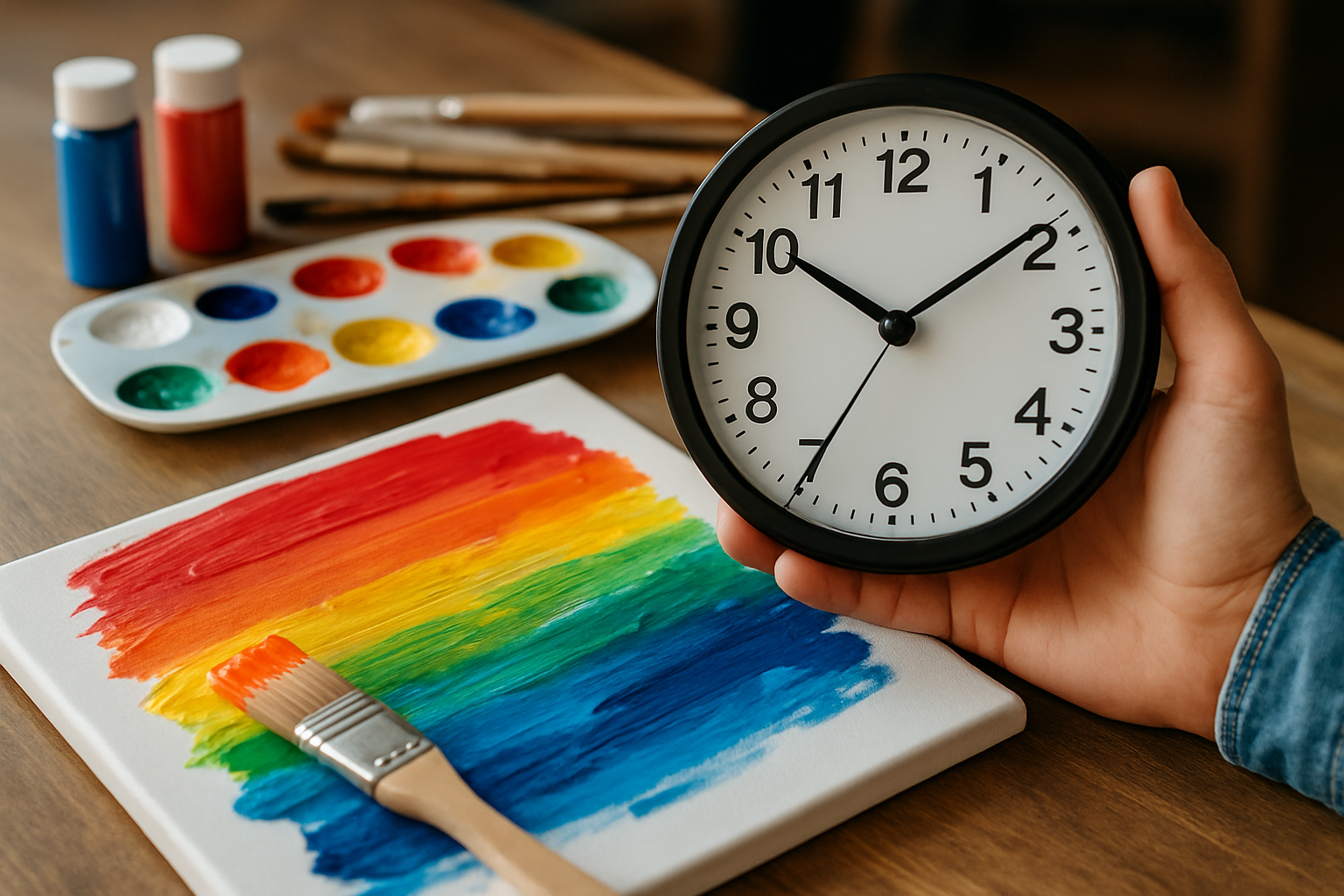
How Long Does It Take for Acrylic Paint to Dry? Key Insights
Have you ever found yourself in the middle of a creative project, wondering how long does it take for acrylic paint to dry? This common question can significantly impact your painting process, especially if you’re eager to apply multiple layers or finish your artwork quickly. As an experienced artist and paint enthusiast, I can provide insights into the various factors influencing drying times. In this article, you’ll learn about the standard drying times for acrylic paint, the elements that affect these times, and tips to optimize your painting experience. Whether you’re a seasoned artist or a beginner, understanding the drying process can enhance your skills and lead to better results.
Understanding Acrylic Paint Drying Times
Acrylic paint drying times can vary significantly based on several factors, including the thickness of the application, environmental conditions, and the specific formulation of the paint. Generally, acrylic paint dries to the touch within 10 to 30 minutes, but complete curing may take several days. Understanding these variables is essential for artists and hobbyists to plan their projects effectively and achieve the desired results without compromising the quality of their work.
Factors Affecting Drying Time
Several factors influence how long it takes for acrylic paint to dry. The thickness of the paint layer plays a crucial role; thicker applications will take longer to dry. Environmental conditions such as temperature and humidity also impact drying times, as higher temperatures accelerate drying while high humidity can slow it down. Additionally, the type of surface being painted can affect absorption and drying speed.
Stages of Drying
Acrylic paint goes through different stages as it dries. Initially, the paint will feel dry to the touch within 10 to 30 minutes, but the underlying layers may still be wet. After 1 to 2 hours, it reaches a stage where it can be layered or worked upon, but full curing, where the paint achieves maximum durability, may take up to several days. Understanding these stages helps artists manage their workflow.
Key Points:
- Drying time varies based on thickness and environmental conditions
- Full curing can take several days despite surface dryness
Optimizing Acrylic Paint Drying Times
To optimize drying times for acrylic paint, artists can manipulate various factors in their workspace. Techniques such as using a hairdryer on a low setting can speed up the drying process, especially for thicker applications. Additionally, selecting a suitable workspace with controlled temperature and humidity can significantly affect how quickly paint dries. By understanding and applying these techniques, artists can enhance their productivity and achieve better results.
Using Heat to Accelerate Drying
Applying gentle heat is an effective method to speed up drying times. A hairdryer set to a low or medium heat setting can be held at a safe distance from the painting surface to help evaporate moisture more quickly. However, it’s crucial to avoid overheating, which can cause the paint to crack or warp. This technique is particularly useful for artists working on multiple layers or details in their artwork.
Choosing the Right Environment
The environment where you paint plays a significant role in drying times. A warm, dry room will facilitate faster drying, while a cool, damp space can prolong the process. Using a dehumidifier or heater can help create an optimal environment for drying. Additionally, good ventilation can assist in the quick evaporation of water from the paint, leading to more efficient drying.
Key Points:
- Heat can be used cautiously to speed up drying
- Controlling the workspace environment is crucial for optimal drying
Understanding Acrylic Paint Drying Times
The drying time of acrylic paint can vary significantly based on multiple factors. Generally, acrylic paint dries to the touch within 10 to 30 minutes, but full curing can take much longer. Environmental conditions such as humidity, temperature, and airflow play a crucial role in this process. In cooler, more humid environments, drying times can extend, while warm, dry settings promote faster drying. Additionally, the thickness of the paint layer directly impacts the drying time; thicker applications take longer to dry than thinner ones.
Factors Influencing Drying Time
Several key factors influence how long it takes for acrylic paint to dry. Temperature is paramount; higher temperatures speed up evaporation, while lower temperatures slow it down. Humidity also plays a role—higher humidity can extend drying times significantly. The thickness of the paint layer is another critical aspect; for instance, a thick application can take several hours to fully dry.
Drying vs. Curing
It’s essential to differentiate between drying and curing when working with acrylic paint. Drying refers to the paint feeling dry to the touch, which can happen in as little as 10 minutes. Curing, however, is the complete hardening of the paint, which can take days or even weeks. Understanding this distinction helps artists plan their projects more effectively.
Key Points:
- Acrylic paint dries quickly but fully cures over a longer period.
- Environmental conditions significantly affect drying times.
💡 Monitor humidity levels when painting to predict drying times accurately.
💡 Use a fan or heater to accelerate drying in humid environments.
💡 Apply thinner layers of paint for quicker drying and easier blending.
Optimizing Your Painting Process
To maximize efficiency and control over your painting projects, understanding drying times is crucial. Artists can employ various techniques to manipulate drying times for better outcomes. Techniques such as using retarders can slow drying for blending, while faster-drying mediums can expedite the process when needed. Planning your workflow according to drying times allows for smoother transitions between layers and techniques.
Techniques to Control Drying Time
Artists can control drying times by using specific techniques. Adding a retarder to the paint slows down the drying process, which is particularly useful when blending colors. Alternatively, using fast-drying mediums can help speed up the process when layering or completing a project within a tight timeframe. Experimenting with these techniques can enhance your painting experience and results.
Planning Your Workflow
Understanding how long it takes for acrylic paint to dry allows artists to plan their workflow effectively. For instance, if you know a layer will take a while to dry, you can work on another part of your project in the meantime. This strategic planning can lead to a more efficient use of time and materials, ultimately improving the quality of the final artwork.
Key Points:
- Understanding how to manipulate drying times can enhance artistic techniques.
- Strategic planning based on drying times leads to greater efficiency.
💡 Experiment with different mediums to find the right balance for your project.
💡 Plan your painting sessions around drying times to enhance productivity.
💡 Keep a journal of drying times for different colors and techniques to optimize future projects.
EXPERT TIPS
Pro Advice
Experiment with environmental controls.
Controlling temperature and humidity in your workspace can dramatically alter drying times. This can allow for better planning and outcomes in your projects.
Keep your palette covered.
Covering your palette when not in use prevents the paint from drying out too quickly, allowing you to maintain workable paint for longer periods.
Use a drying rack.
Investing in a drying rack can help manage multiple pieces, ensuring that each layer dries evenly and reduces the risk of smudging.
Frequently Asked Questions
Conclusion
Understanding the drying time of acrylic paint is essential for achieving the best results in your artwork. Factors like thickness, humidity, and temperature play significant roles in drying. By managing these elements, you can optimize your painting experience.
🎯 Key Takeaways:
- Acrylic paint dries to the touch in 15 to 30 minutes.
- Drying time varies with environmental factors like temperature and humidity.
- Thicker applications take longer to dry completely.
- Varnishing is recommended after 24 to 48 hours for protection.
Expert Advice: Be mindful of the drying times and environmental conditions to enhance your acrylic painting process. Patience is key for ensuring the quality of your finished work.
Experiment with different techniques and conditions to discover what works best for your acrylic painting projects.