
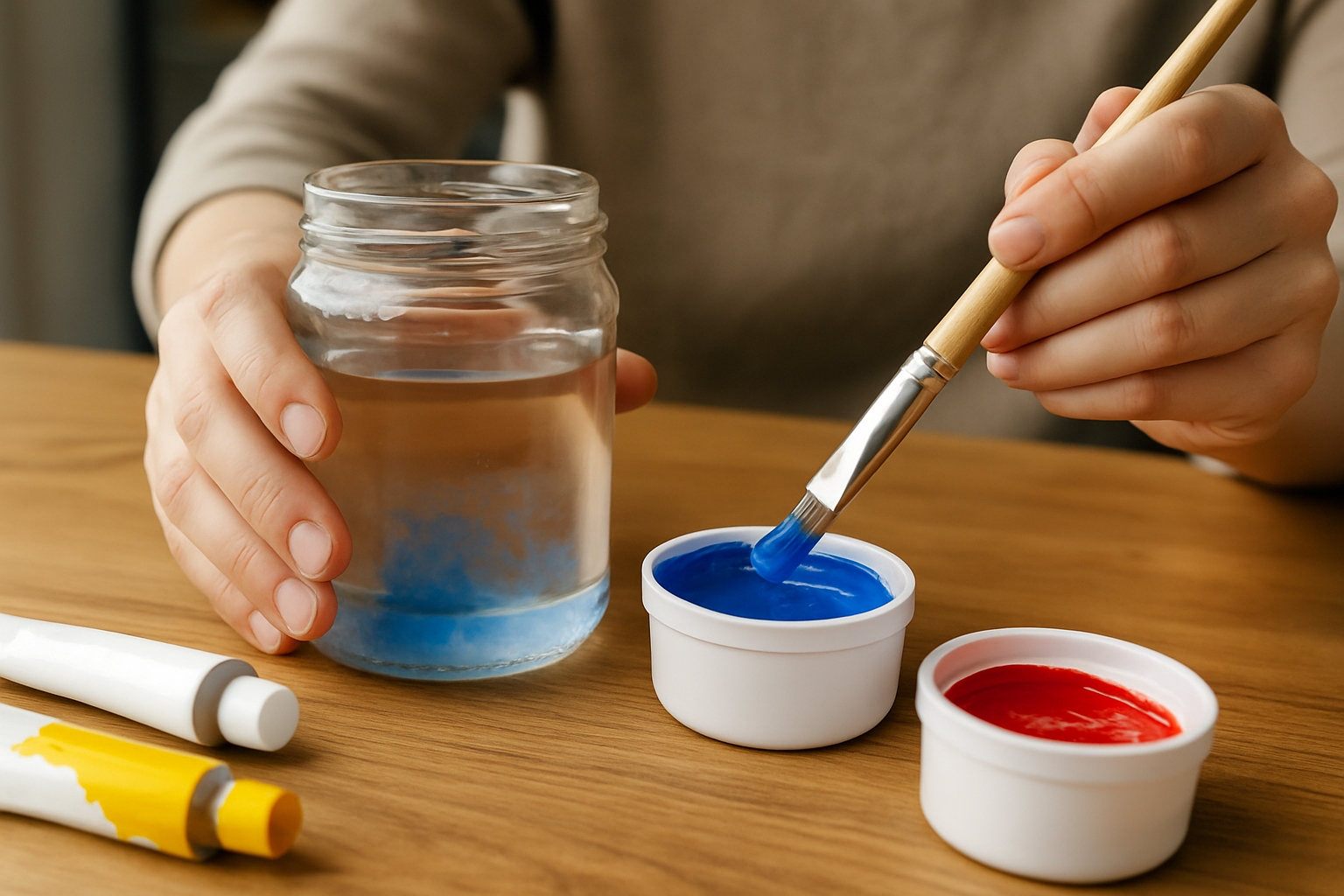
What to Use to Thin Acrylic Paint: Expert Tips
What to Use to Thin Acrylic Paint for Perfect Results
Are you struggling with achieving the right consistency in your acrylic paint? Understanding what to use to thin acrylic paint is essential for artists seeking smooth application and vibrant colors. Whether you’re a beginner or an experienced painter, knowing the right thinning agents can dramatically improve your painting experience. In this article, we will explore various methods and materials to effectively thin acrylic paint, ensuring optimal flow and workability. From water to specialized mediums, you’ll learn how to adjust your paint for the best results. Dive into our expert insights and transform your acrylic painting techniques today!
Understanding Acrylic Paint and Its Consistency
Acrylic paint is a versatile medium that can be used on various surfaces, but its consistency can vary significantly. Understanding how to thin acrylic paint is crucial for achieving the desired texture and flow for your artwork. Thinning acrylic paint can enhance its application, making it easier to work with for techniques like washes or fine detail work. The goal is to find the right balance between fluidity and pigment concentration, which can affect the final appearance of your piece.
Why Thin Acrylic Paint?
Thinning acrylic paint can improve its workability, especially when applying it in layers. A thinner consistency allows for smoother brush strokes and better adherence to surfaces, which is essential for techniques such as glazing or airbrushing. Additionally, thinning can help achieve a more transparent effect, allowing underlying colors to show through, enhancing the depth and complexity of your artwork.
Signs You Need to Thin Your Paint
If you notice that your acrylic paint feels too thick or difficult to manipulate, it may be time to thin it. Signs include visible brush strokes that don’t level out, difficulty in blending colors, or an overall heaviness that detracts from the desired finish. Recognizing these indicators can help you make adjustments before they impact your work.
Key Points:
- Acrylic paint consistency is crucial for various techniques.
- Thinning improves fluidity and blending capabilities.
Methods to Thin Acrylic Paint
There are several effective methods to thin acrylic paint, each suited for different painting techniques and desired outcomes. The most common methods include using water, acrylic mediums, and other thinners. Each approach has its advantages, and understanding these can help you select the best method for your specific project. Always start with small amounts to maintain control over the paint’s opacity and texture.
Using Water
Water is the most accessible and straightforward option for thinning acrylic paint. While it can dilute the pigment effectively, excessive use can lead to a loss of adhesion and vibrancy. A good rule of thumb is to use water sparingly, ideally no more than 30% of the paint mixture, to maintain the integrity of the paint while achieving the desired fluidity.
Acrylic Mediums
Acrylic mediums are specialized additives designed to alter the properties of acrylic paint without compromising its adhesion or color strength. These mediums can enhance gloss, increase transparency, or improve flow. Using a medium instead of water can help maintain the paint’s original characteristics while allowing for a thinner consistency, making it a preferred choice for many artists.
Other Thinners
In addition to water and mediums, other thinners can be used for specific effects. For instance, some artists may opt for alcohol or proprietary thinners designed for acrylics for particular applications. However, it’s crucial to test these alternatives on a small scale first, as they can significantly alter the paint’s behavior and final finish.
Key Points:
- Water is a simple thinning option but should be used cautiously.
- Acrylic mediums maintain adhesion while modifying paint properties.
Understanding Acrylic Paint Consistency
Acrylic paint can vary in thickness and texture, which is why knowing how to thin it effectively is crucial for achieving desired results. Thinning acrylic paint allows for smoother application, better blending, and more controlled layering. The key is to use the right thinning agents, which can significantly affect the final outcome of your artwork. Whether you are painting on canvas, wood, or another surface, achieving the right consistency can enhance your technique and ensure that the paint adheres properly.
Importance of Consistency
The consistency of acrylic paint impacts how it interacts with surfaces and other layers. A thicker paint can create texture and dimension, while a thinner paint allows for transparency and finer detail. Understanding these properties is essential for artists aiming to achieve specific visual effects, making it necessary to experiment with various thicknesses.
Common Thinning Agents
Water is the most accessible thinning agent for acrylic paint, but there are other options like acrylic mediums designed to maintain paint quality. Water can dilute color intensity, while mediums allow for maintaining viscosity and sheen without compromising color vibrancy. Knowing which agent to use based on your project is vital.
Key Points:
- Acrylic paint consistency affects application and blending.
- Different thinning agents yield varying results.
💡 Experiment with small amounts of water to find the right consistency without overly diluting color.
Techniques for Thinning Acrylic Paint
Thinning acrylic paint is an art in itself, and various techniques can enhance your painting experience. Using the right methods not only helps achieve the desired consistency but also improves the overall quality of the work. Whether you’re looking to create washes, glazes, or detailed brushwork, mastering these techniques can elevate your artistic skills.
Creating Washes
To create a wash, mix acrylic paint with a substantial amount of water, resulting in a translucent layer. This technique is excellent for backgrounds or subtle color transitions. Begin with a 1:1 ratio of paint to water and adjust as necessary. Apply with a large brush to avoid streaks and ensure even coverage.
Using Acrylic Mediums
Acrylic mediums are specialized formulations that can thin paint without losing its properties. These mediums can increase flow, improve transparency, or add texture depending on your needs. To use, mix a small amount of medium with your paint to achieve the desired consistency, ensuring a consistent application.
Key Points:
- Different techniques yield unique results based on consistency.
- Acrylic mediums can enhance your paint without compromising quality.
💡 Always mix small batches to test consistency before applying to your artwork.
EXPERT TIPS Pro Advice
Use distilled water for thinning.
Distilled water is free of impurities that can affect paint quality, ensuring a cleaner finish.
Avoid over-thinning.
Over-thinning can weaken paint adhesion and vibrancy. Aim for a balance that maintains color integrity.
Test on scrap material first.
Testing your thinning technique on scrap material allows you to see the effects without risking your main artwork.
Adjust based on application method.
Different tools like brushes or airbrushes may require different paint consistencies. Adjust accordingly for optimal results.
Frequently Asked Questions
Conclusion
Thinning acrylic paint is essential for achieving desired consistency and improving application. You can use water or acrylic mediums to thin paint, adjusting ratios based on your techniques. Proper thinning enhances flow, blending, and drying time, ensuring better results in your artwork.
🎯 Key Takeaways:
- Water and acrylic mediums are ideal for thinning.
- Start with a 1:2 ratio of water to paint.
- Avoid alcohol to maintain paint integrity.
- Thinning is crucial for airbrushing applications.
- Adjust thinning based on desired consistency.
Expert Advice: Experiment with different thinning methods and ratios to find what works best for your style. Understanding how to properly thin acrylic paint will enhance your artistic process and improve your final results.
Try thinning your acrylic paints in your next project to see the difference in application and finish!