
What Do You Use to Thin Acrylic Paint? Essential Guide
What Do You Use to Thin Acrylic Paint for Perfect Consistency
Are you struggling with the right consistency for your acrylic paint? Knowing what to use to thin acrylic paint can drastically improve your artwork. Whether you’re a beginner or a seasoned artist, achieving the ideal texture is crucial for blending and layering techniques. In this article, we will explore various methods to thin acrylic paint effectively, ensuring you have the right tools and knowledge to enhance your creative process. From water to specialized mediums, you’ll discover the pros and cons of each option, helping you make informed decisions to elevate your painting skills.
Understanding Acrylic Paint Thinning
Thinning acrylic paint is essential for achieving the desired consistency and flow, especially when working on detailed projects or using spray techniques. The primary reason to thin acrylic paint is to improve its application, allowing for smoother brush strokes and better blending. Additionally, thinning can help prevent the paint from becoming too thick, which can lead to uneven coverage and a less professional finish. Knowing how to properly thin acrylic paint can enhance your overall painting experience and result in a more polished outcome.
Why Thin Acrylic Paint?
Thinning acrylic paint serves various purposes, including improving flow, enhancing transparency, and allowing for easier layering. When paint is too thick, it can clump or not adhere properly to surfaces. Thinning ensures that the paint can easily spread and cover larger areas without leaving streaks, making it crucial for both novice and experienced artists.
Common Thinning Agents
Water is the most frequently used thinning agent for acrylic paint, as it can dilute the paint without altering its properties significantly. Other options include acrylic mediums that provide additional benefits such as increased transparency or gloss. Understanding the right thinning agent to use is vital for achieving the desired effect in your artwork.
Key Points:
- Thinning improves application and flow of acrylic paint
- Water is the primary thinning agent for acrylic paint
Methods for Thinning Acrylic Paint
There are several effective methods for thinning acrylic paint, each suited for different techniques and outcomes. The simplest method involves adding water to the paint, but using acrylic mediums can also provide specific results that enhance your work. Knowing the right method for your project can significantly impact the quality of your artwork. It’s essential to experiment with different ratios to find the perfect consistency that meets your creative needs.
Using Water for Thinning
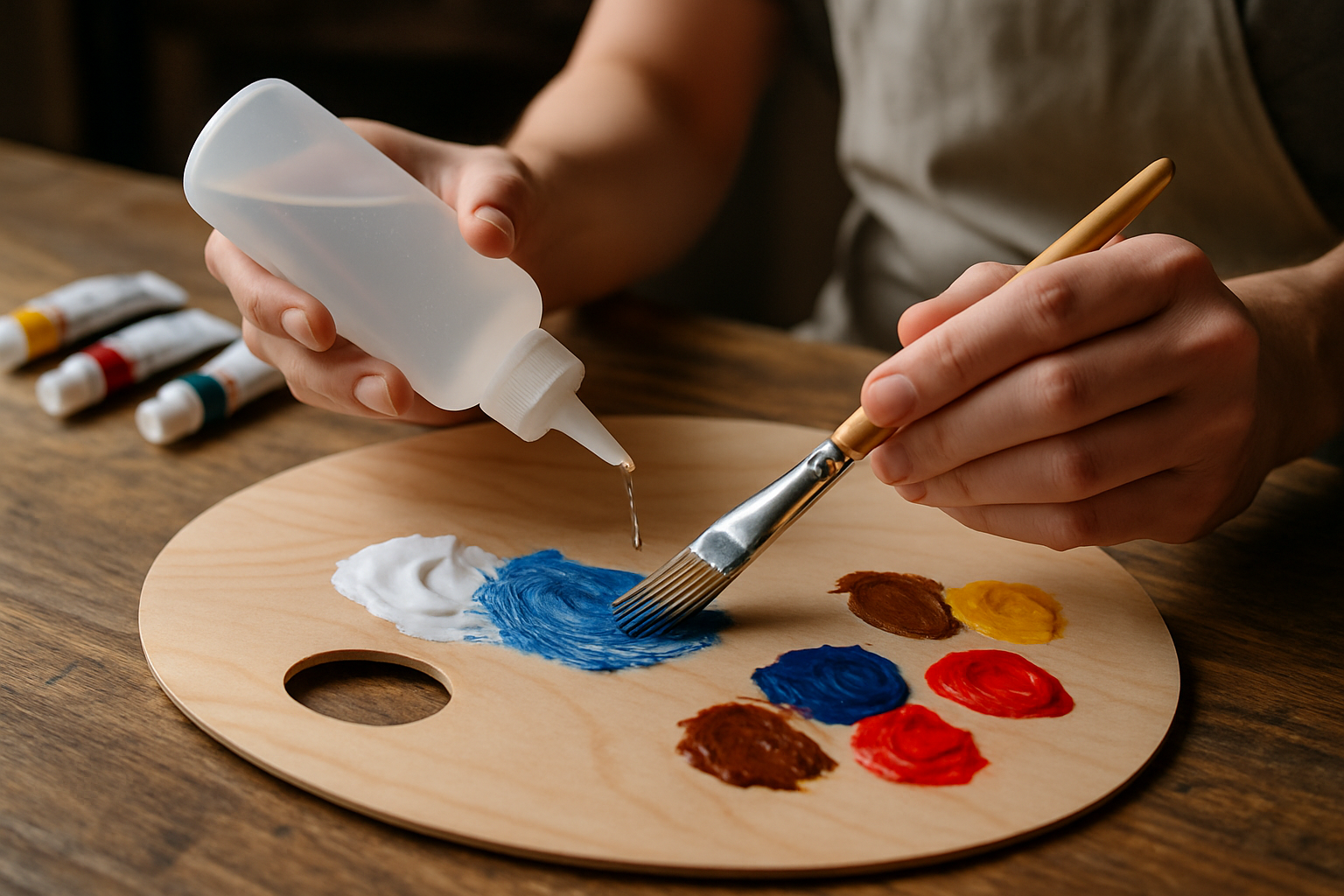
Adding water is the most straightforward method to thin acrylic paint. Start with a small amount, typically 10-30%, and mix it thoroughly until you achieve the desired fluidity. This method is ideal for techniques that require a smooth, even application, such as washes or glazes.
Incorporating Acrylic Mediums
Acrylic mediums can also be used to thin paint while retaining its properties. These mediums not only dilute the paint but can also improve its adhesion, finish, and drying time. Choosing the right medium can enhance the texture and vibrancy of your artwork, making it a valuable alternative to water.
Key Points:
- Experiment with different thinning methods for best results
- Acrylic mediums offer benefits beyond just thinning paint
Understanding Acrylic Paint Consistency
Acrylic paint can vary in thickness, which affects its application and finish. Thinning acrylic paint is crucial for achieving the desired consistency for specific techniques like washes or glazes. The primary goal is to make the paint more fluid without compromising its color integrity. Understanding how different mediums affect paint consistency is essential for artists. You can use water, acrylic mediums, or even additives to achieve the right thickness. Each option has unique properties that can enhance or alter the paint’s performance.
Using Water to Thin Acrylic Paint
Water is the simplest thinning agent for acrylic paint. Adding 10-30% water can help create a smoother application for techniques like washes. However, using too much water can dilute the pigment, leading to a washed-out color. It’s crucial to find the right balance to maintain vibrancy while achieving the desired consistency.
Acrylic Mediums for Thinning
Acrylic mediums, such as gloss or matte mediums, serve as excellent alternatives for thinning paint. These mediums maintain the paint’s adhesive properties while altering its viscosity. They also enhance the paint’s finish and workability, making them ideal for specific techniques like glazing, where transparency is key.
Key Points:
- Understanding paint consistency is crucial for achieving specific artistic effects.
- Water and acrylic mediums are effective thinning agents, each with unique benefits.
💡 Start with a small amount of water to prevent over-thinning your paint, which can lead to loss of pigment.
💡 Experiment with different acrylic mediums to discover how they affect drying time and finish.
💡 For detailed work, thin paint in small batches to maintain consistency and prevent waste.
Advanced Techniques for Thinning Acrylic Paint
Once you grasp the basics of thinning acrylic paint, you can explore advanced techniques that enhance your work. These methods allow for greater flexibility and creativity in your painting process. Knowing how to manipulate the paint’s viscosity can enable you to create various textures and effects. This section covers methods like using flow improvers and the importance of temperature and environment during thinning.
Incorporating Flow Improvers
Flow improvers are specialized additives designed to increase the fluidity of acrylic paint without diluting the color. They help maintain the paint’s original properties, making them ideal for detailed work and fine lines. To use a flow improver effectively, mix it in small amounts with your paint until you achieve the desired consistency.
Temperature and Environment Considerations
Temperature and humidity can significantly impact the behavior of acrylic paint. Warmer temperatures often increase fluidity, while cooler conditions can thicken the paint. Adjusting your work environment or paint temperature can help you achieve the right consistency. For instance, warming your paint slightly can enhance its flow, especially in cooler climates.
Key Points:
- Flow improvers can enhance paint fluidity without compromising color quality.
- Environmental factors like temperature can alter the viscosity of acrylic paint.
💡 Always test new thinning techniques on scrap material before applying them to your main project.
💡 Consider the environmental conditions of your workspace, as they can alter paint performance unexpectedly.
💡 Keep a journal of your thinning experiments to track what works best for different techniques and conditions.
EXPERT TIPS Pro Advice
Start with the right ratio
Begin with a 10% water-to-paint ratio for thinning. This ensures you maintain control over paint consistency and pigment strength.
Mix thoroughly
Always mix your paint and thinner thoroughly to avoid uneven consistency, which can lead to streaks or patches in your finished work.
Use a palette knife
A palette knife can help you mix paint and thinning agents more evenly than a brush, ensuring a consistent application.
Keep a controlled environment
Maintain a consistent temperature in your workspace to minimize drastic changes in paint viscosity during your painting sessions.
Document your techniques
Taking notes on your thinning techniques can help you replicate successful mixtures in future projects and refine your approach over time.
Frequently Asked Questions
Conclusion
Thinning acrylic paint is crucial for achieving the right consistency and flow in your artwork. Whether using water, acrylic thinners, or mediums, understanding the proper techniques can enhance your painting experience. Always experiment with ratios to find what works best for your style.
🎯 Key Takeaways:
- Water and acrylic thinners are common thinning agents.
- Thinning improves flow and blending of acrylics.
- Acrylic mediums can also be used for thinning.
- Adjust ratios based on application method and desired finish.
- Testing on a palette is essential before application.
Expert Advice: Experiment with different thinning techniques to discover what works best for your artistic style. Understanding the properties of acrylics will greatly enhance your painting skills and results.
Start experimenting with thinning techniques today to elevate your acrylic painting!