
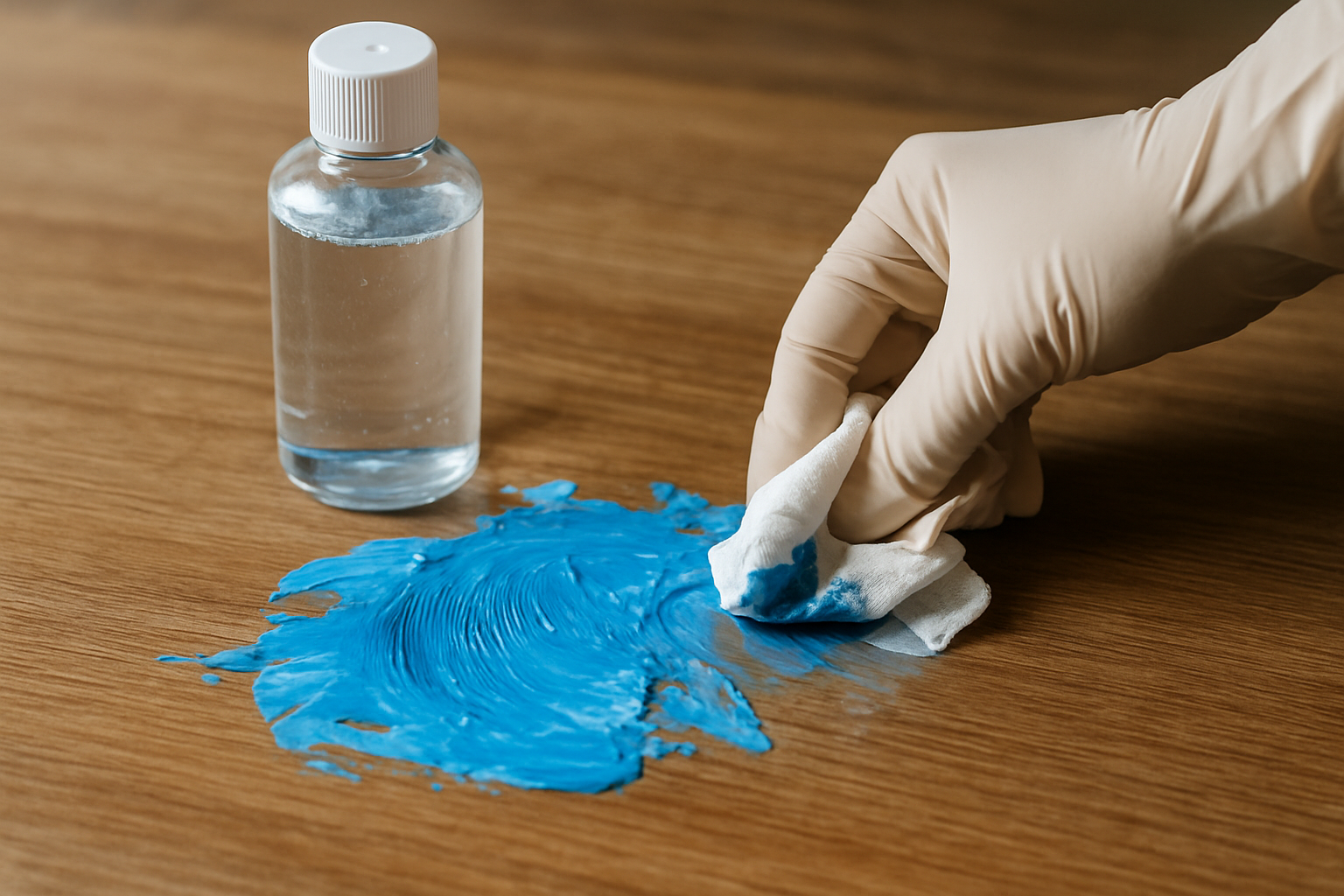
What Removes Acrylic Paint: Effective Solutions Explained
What Removes Acrylic Paint: Effective Solutions for Clean Surfaces
Have you ever struggled to remove acrylic paint from your favorite surface? You’re not alone. Many people face the challenge of cleaning up after art projects, and knowing what removes acrylic paint can save you time and frustration. As an expert in art materials and their properties, I understand the intricacies involved in paint removal. In this comprehensive guide, we’ll explore a variety of techniques and methods that can effectively lift acrylic paint without damaging your surfaces. Whether you’re dealing with clothing, walls, or brushes, this article will equip you with the knowledge needed to tackle any acrylic paint mishap with confidence.
Understanding Acrylic Paint Composition
Acrylic paint is a water-based medium composed of pigment suspended in acrylic polymer emulsion. Its fast-drying properties make it popular among artists and crafters. However, this same quick-drying feature can complicate removal once the paint has cured. Understanding its composition is essential for effective removal strategies. Acrylic paints can be permanent or temporary, depending on the formulation. Knowing the type of acrylic paint you’re dealing with can guide your approach to removal, as some may respond better to certain solvents or techniques than others.
Types of Acrylic Paint
Acrylic paints come in various formulations, including artist-grade and student-grade options. Artist-grade acrylics typically have higher pigment concentrations and may be more difficult to remove due to their durability. In contrast, student-grade paints often have lower pigment content, making them potentially easier to clean up. Recognizing the type of acrylic paint helps in choosing the right removal method.
Curing Process
Upon drying, acrylic paint undergoes a curing process where it forms a solid, water-resistant film. This film can be challenging to remove completely, especially after it has fully cured. The time it takes for acrylic to cure varies depending on environmental conditions. Understanding this process is crucial for determining the right moment and method for removal.
Key Points:
- Acrylic paint composition includes pigment in polymer emulsion
- Curing process affects removal difficulty
Methods for Removing Acrylic Paint
Removing acrylic paint requires specific techniques tailored to the surface and the paint’s curing stage. Water is effective for fresh paint, while solvents may be necessary for dried paint. Choose your method wisely based on the material you are working on, as some surfaces may react negatively to certain removal agents. Additionally, the age and thickness of the paint layer can significantly influence the effectiveness of these methods.
Water and Soap for Fresh Paint
For wet or freshly applied acrylic paint, warm soapy water is often the best first step. Gently rub the area with a cloth or sponge, as the water will help to lift the paint away. Avoid scrubbing too hard, as this can damage the underlying surface. Quick action is crucial, as the longer the paint sits, the harder it becomes to remove.
Solvents for Dried Paint
When dealing with dried acrylic paint, solvents like rubbing alcohol or acetone can be effective. Apply a small amount to a cloth and dab it onto the paint, allowing it to penetrate and break down the bonds. Always test a small area first to ensure the solvent does not damage the surface underneath. Patience is key, as multiple applications may be necessary for complete removal.
Key Points:
- Choose removal method based on paint state
- Always test solvents on a small area first
Understanding Acrylic Paint Composition
Acrylic paint is a fast-drying medium made of pigment suspended in acrylic polymer emulsion. Its water-soluble nature when wet makes it relatively easy to remove, but once dried, it becomes more challenging. The removal method depends on the surface it’s on and the drying time. Knowing the composition helps in selecting the right removal technique, as some solvents can harm certain materials. Always test a small area first to avoid damage.
Water-Soluble Properties
When acrylic paint is still wet, it can be easily removed with just soap and water. This is due to its water-soluble properties. Using a damp cloth or sponge can lift the paint without leaving residue. If the paint has dried, however, this method will be ineffective, necessitating stronger solvents.
Chemical Resistance
Once dry, acrylic paint forms a flexible, water-resistant film. This makes it crucial to choose the right solvent. Common choices include rubbing alcohol or vinegar. These solvents can break down the paint’s structure, making it easier to scrub away, especially on non-porous surfaces.
Key Points:
- Acrylic paint is easy to remove when wet; dried paint requires specific solvents.
- Knowing the surface type is key to choosing the right removal method.
💡 Always test a small area first to ensure the solvent does not damage the underlying surface.
💡 Use a gentle scrubbing tool like a soft brush or cloth to avoid scratching the surface.
Effective Removal Techniques for Various Surfaces
The technique for removing acrylic paint varies significantly based on the surface type. Different materials react differently to solvents and scrubbing methods. For instance, wood, fabric, and glass each require tailored approaches to avoid damage while effectively removing the paint. Knowing these specific techniques can save time and effort in cleanup tasks.
Removing from Hard Surfaces
For hard surfaces like glass or tile, start by applying a solvent like rubbing alcohol. Soak a cloth in the solvent and lay it over the paint for several minutes. This allows the solvent to penetrate and soften the paint. Following this, gently scrape with a plastic scraper to lift the paint without scratching the surface.
Removing from Fabric
When dealing with fabric, it’s important to act quickly. Rinse the stained area under cold water to prevent the paint from setting. Apply a small amount of rubbing alcohol on a cotton ball and dab the paint. Blot rather than rub to avoid spreading. After the paint is lifted, launder as usual.
Removing from Wood Surfaces
For wood, use a combination of warm soapy water and gentle scrubbing. If the paint is stubborn, a solvent like vinegar can be applied to soften it. Always follow up with a wood conditioner to restore the surface after paint removal, as solvents can dry out the wood.
Key Points:
- Different surfaces require specific removal techniques to avoid damage.
- Act quickly on fabric to prevent the paint from setting in.
💡 Use a plastic scraper instead of metal to prevent scratches on hard surfaces.
💡 For fabric, always test the solvent on an inconspicuous area to avoid discoloration.
💡 After cleaning wood surfaces, apply a conditioner to maintain the finish.
EXPERT TIPS Pro Advice
Work in a well-ventilated area
Good ventilation reduces inhalation of fumes from solvents, making the removal process safer for your health.
Use hot water for better results
Hot water can help to soften acrylic paint, making it easier to remove, especially when dealing with fabric or porous surfaces.
Consider using a heat gun
A heat gun can soften dried acrylic paint, allowing you to scrape it off more easily. Use with caution to avoid burns.
Keep a damp cloth nearby
Having a damp cloth on hand allows for immediate clean-up of spills, preventing paint from drying and making removal easier.
Layer solvents if necessary
Sometimes, using different solvents in succession can more effectively break down stubborn paint layers without damaging the surface.
Frequently Asked Questions
Conclusion
Removing acrylic paint requires timely action and the right methods based on the surface. Techniques include using vinegar, rubbing alcohol, or soapy water for various materials. Understanding how to approach different surfaces can save time and prevent damage.
🎯 Key Takeaways:
- Prompt action is key to effective paint removal.
- Vinegar and rubbing alcohol are safe options for many surfaces.
- Always test solvents on a small area first.
- Dried paint removal may require soaking and gentle scraping.
Expert Advice: Always assess the surface type before choosing a removal method. Patience and gentle techniques will yield the best results, minimizing potential damage.
Explore different methods and practice safe techniques to effectively remove acrylic paint from your surfaces.