
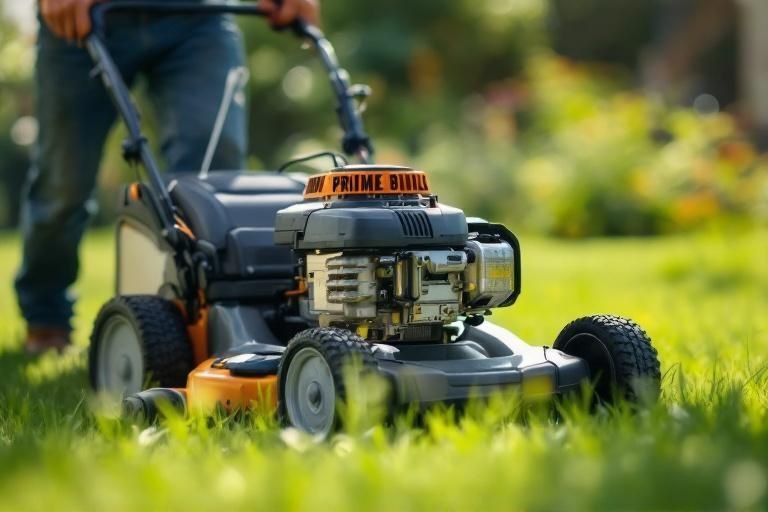
How to Prime a Lawn Mower Without Primer Bulb: Easy Steps
Have you ever found yourself struggling to start your lawn mower because the primer bulb is missing or malfunctioning? This common issue can be frustrating, especially when you’re eager to tackle your lawn care. Understanding how to prime a lawn mower without a primer bulb is essential for any homeowner looking to keep their yard in pristine condition. In this article, we’ll guide you through effective methods to prime your mower’s engine, ensuring it starts smoothly and runs efficiently. From checking the fuel system to alternative priming techniques, you’ll gain the knowledge needed to troubleshoot and maintain your mower like a pro.
Understanding Lawn Mower Priming
Priming a lawn mower is essential for ensuring that the engine starts smoothly and runs efficiently. The process typically involves introducing fuel into the carburetor, allowing for easier ignition. While many lawn mowers come equipped with a primer bulb to facilitate this process, not all models do. Understanding how to prime a lawn mower without a primer bulb can save time and frustration, especially when you’re eager to start mowing. This guide will help you explore alternative methods for priming your mower effectively.
The Role of the Primer Bulb
The primer bulb is designed to draw fuel into the carburetor, creating a suitable mixture for combustion. When pressed, it pushes air out of the fuel line, allowing fresh fuel to flow in. This is particularly important for cold starts, as it ensures that fuel is readily available. For mowers without this feature, alternative priming methods become necessary to achieve similar results.
Signs of an Under-Primed Engine
Recognizing the signs of an under-primed engine can help you troubleshoot starting issues. Common indicators include difficulty starting, sputtering, or stalling shortly after ignition. If you notice these symptoms, it may be time to explore how to manually prime your mower without the assistance of a primer bulb.
Key Points:
- Priming is crucial for smooth engine operation
- Alternative methods exist for mowers without a primer bulb
Manual Priming Techniques
When faced with a lawn mower that lacks a primer bulb, there are effective manual techniques to prime the engine. These methods involve ensuring that fuel reaches the carburetor through alternative means. Using these techniques can greatly enhance your chances of starting the engine successfully, especially in colder weather or after long periods of inactivity.
Using the Starting Procedure
Most lawn mowers can be primed through their standard starting procedure. Pulling the starter cord multiple times can help draw fuel into the carburetor. Ensure that the mower is in the correct position and that the throttle is set to the ‘start’ position. This method can create a suction effect that pulls fuel into the engine, mimicking the action of a primer bulb.
Fuel Line Techniques
Another method involves manually assisting the fuel flow through the fuel line. You can disconnect the fuel line from the carburetor and gently siphon or prime the fuel line using gravity. This allows fuel to flow directly into the carburetor, which may help get the engine started. However, care should be taken to avoid spills and ensure safety.
Key Points:
- Manual techniques can effectively prime the engine
- Proper positioning and adjustments are crucial for success
Understanding the Fuel System
To effectively prime a lawn mower without a primer bulb, it’s essential to understand how the fuel system operates. Lawn mowers typically utilize a gravity-fed or carbureted fuel system. In the absence of a primer bulb, the fuel needs to be manually introduced into the carburetor for proper engine start-up. This process not only requires knowledge of fuel flow but also an understanding of the mower’s engine type, which can influence the priming technique used.
Types of Fuel Systems
Lawn mowers generally feature either a gravity-fed or a carbureted fuel system. In a gravity-fed system, fuel flows directly from the tank to the carburetor due to gravity, while carbureted systems require fuel to be drawn into the engine through a vacuum created by the engine’s operation. Knowing which system your mower uses will guide your priming approach effectively.
Identifying the Carburetor
Locate the carburetor on your mower, which is typically situated near the engine. Understanding its parts, such as the float bowl and jets, is crucial. The float bowl holds fuel, and jets control the fuel-air mixture. Familiarizing yourself with these components will enable you to prime the mower manually by introducing fuel directly.
Key Points:
- Know your mower’s fuel system type.
- Familiarize yourself with the carburetor components.
💡 Check the fuel level before starting to ensure there’s enough for priming.
💡 Inspect for any clogs or blockages in the fuel line that may affect priming.
💡 Make sure the mower is on a level surface to facilitate proper fuel flow.
Manual Priming Techniques
Without a primer bulb, manual priming can be successfully achieved by utilizing specific techniques. These methods involve either flooding the carburetor or drawing fuel into it. Each technique has its own advantages and requires caution to avoid flooding the engine with too much fuel, which can hinder performance instead of aiding it.
Flooding the Carburetor
One common technique is to flood the carburetor by removing the air filter and pouring a small amount of fuel directly into the carburetor throat. This provides the immediate fuel needed for ignition. Be careful to use only a small amount to prevent overflooding, which can cause starting issues.
Using the Fuel Line
Another method involves disconnecting the fuel line from the tank and allowing fuel to flow into the carburetor. This can be done by cranking the engine a few times without starting it, creating a vacuum that draws fuel into the carburetor. Ensure that you have a container ready to catch any excess fuel to prevent spills.
Key Points:
- Flooding the carburetor can provide immediate fuel.
- Disconnecting the fuel line can create a vacuum for fuel draw.
💡 Always wear gloves and safety goggles while handling fuel to avoid injury.
💡 Perform these techniques in a well-ventilated area to minimize inhalation of fumes.
💡 After priming, replace any components like the air filter to ensure proper operation.
EXPERT TIPS
Pro Advice
Check for fuel flow issues.
Before attempting to prime, inspect the fuel lines and carburetor for clogs. Clear pathways ensure optimal fuel flow, which is crucial for successful priming.
Use fresh fuel.
Always use fresh fuel as old fuel can cause starting difficulties and may lead to engine damage over time. Fresh fuel enhances combustion efficiency.
Be cautious with flooding.
When flooding the carburetor, add fuel slowly. Overflooding can lead to starting problems or engine flooding, which may cause damage.
Observe safety protocols.
Ensure safety measures are in place, such as working in a well-ventilated area and avoiding open flames, to prevent fire hazards while handling fuel.
Consult the owner’s manual.
Refer to the mower’s manual for specific priming instructions and troubleshooting tips, as different models may have unique requirements or features.
Frequently Asked Questions
Conclusion
Priming a lawn mower without a primer bulb can be effectively managed through alternative methods such as pulling the starter cord or manually adding fuel to the carburetor. Understanding the importance of fuel flow, choke settings, and troubleshooting can significantly improve your mower’s performance and reliability.
🎯 Key Takeaways:
- Pulling the starter cord can draw fuel into the engine.
- Manually adding fuel to the carburetor can help start the mower.
- Regular maintenance of the spark plug and air filter is vital.
- Understanding choke settings can improve starting reliability.
Expert Advice: Always ensure your lawn mower is well-maintained and follow troubleshooting steps methodically. Regular checks can prevent starting issues and enhance performance.
Take the time to review your lawn mower’s maintenance schedule and make necessary adjustments to ensure a smooth starting experience.