
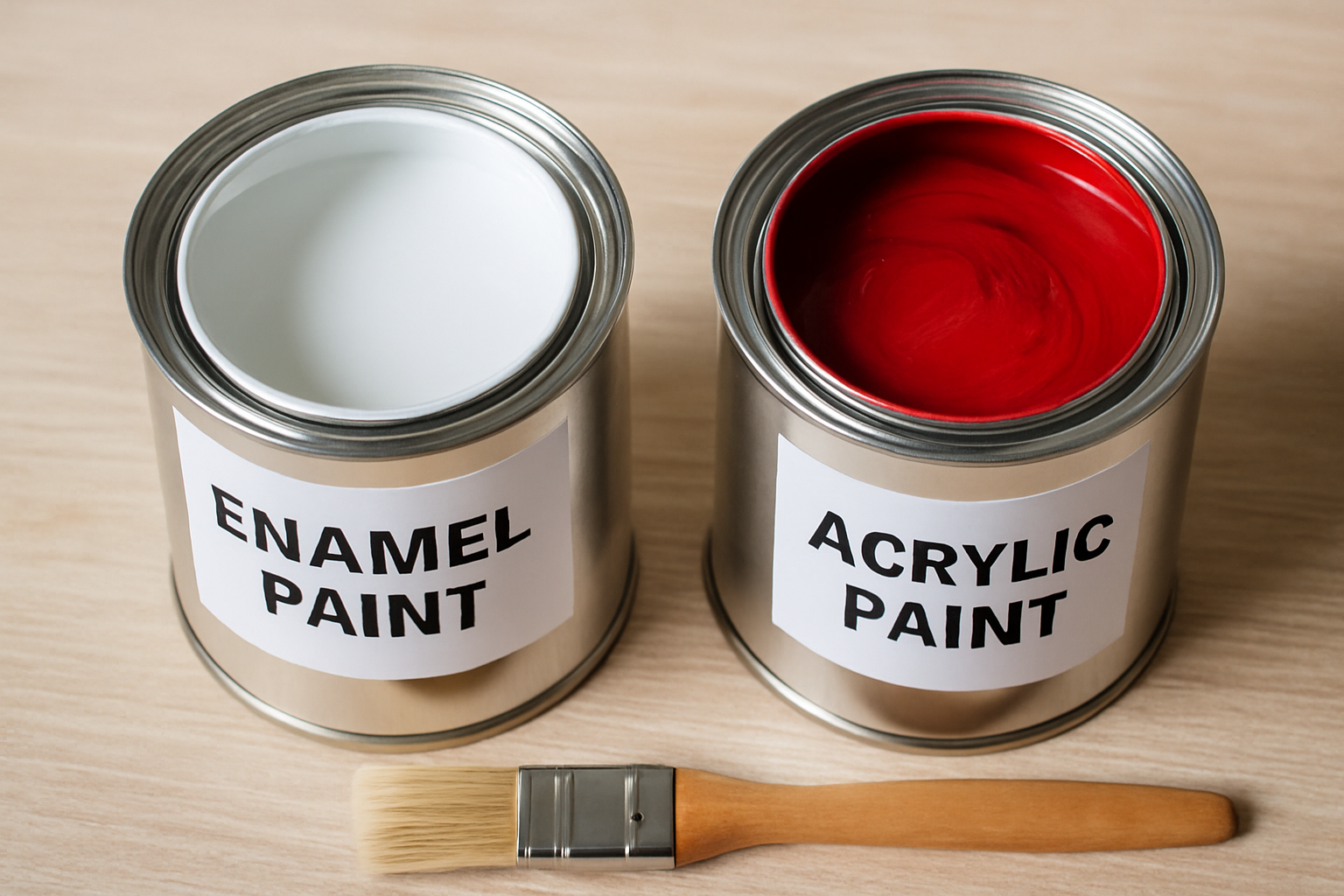
What is the Difference Between Enamel Paint and Acrylic Paint?
Are you confused about choosing the right paint for your project? Understanding the difference between enamel paint and acrylic paint can be crucial for achieving the desired results. While both types of paint have their unique properties, they serve different purposes and applications. Enamel paint is known for its durability and glossy finish, making it ideal for surfaces that require a tough coating. On the other hand, acrylic paint offers versatility and quick drying times, making it popular among artists and DIY enthusiasts. In this article, we will delve into the key differences between these two paint types, explore their applications, and help you make an informed decision for your next painting project.
Understanding Enamel Paint
Enamel paint is known for its hard, glossy finish and durability, making it a popular choice for surfaces that require a robust coating. It is typically oil-based, which allows for a smoother application and a resilient finish. Enamel paint is widely used for various applications, from furniture to metal surfaces, due to its resistance to wear and weather. However, it can take longer to dry and may emit strong odors during application, necessitating good ventilation.
Composition and Properties
Enamel paint is primarily made from pigment, resin, and solvents. The resin type determines the paint’s hardness and durability. Oil-based enamels are particularly tough, providing a long-lasting finish that can withstand harsh conditions. This makes them ideal for outdoor projects or surfaces subject to heavy use.
Application Techniques
When applying enamel paint, the technique is crucial for achieving a smooth finish. It’s recommended to use a high-quality brush or roller to minimize brush strokes. Additionally, multiple thin coats are preferable to a single thick coat, allowing for better adhesion and a more uniform appearance.
Key Points:
- Enamel paint provides a hard, glossy finish.
- It is ideal for high-wear surfaces due to its durability.
Exploring Acrylic Paint
Acrylic paint is a water-based medium composed of pigment suspended in acrylic polymer emulsion. It has gained popularity for its versatility and ease of use. Unlike enamel paint, acrylic dries quickly and is less toxic, making it suitable for indoor use. It can be used on a variety of surfaces, including canvas, wood, and even metal, but may require a primer for optimal adhesion in some cases.
Characteristics and Advantages
Acrylic paint is known for its vibrant colors and quick drying time. This allows artists and DIY enthusiasts to work more efficiently, layer colors, and make adjustments without long waits. It is also water-soluble, making cleanup easier compared to oil-based paints. However, it may not provide the same durability as enamel in outdoor applications.
Best Practices for Application
To achieve the best results with acrylic paint, it’s recommended to use synthetic brushes, which can hold up well against the paint’s consistency. Thin layers should be applied to avoid cracking as it dries. Additionally, using a palette for mixing colors can help achieve the desired shades and tones effectively.
Key Points:
- Acrylic paint is water-based and dries quickly.
- It is versatile and suitable for various surfaces.
Understanding Enamel Paint
Enamel paint is known for its hard, glossy finish and durability, making it suitable for both indoor and outdoor applications. It is typically oil-based, which contributes to its long-lasting properties. Enamel paint is resistant to chipping and staining, making it ideal for high-traffic areas or surfaces exposed to moisture. However, it has a longer drying time compared to acrylic paint, which can extend project timelines. Proper ventilation is crucial when working with enamel paint due to the strong fumes released during application.
Composition of Enamel Paint
Enamel paint is primarily made from pigments suspended in a resin, which can be oil-based or water-based. Oil-based enamels are more traditional and provide a harder finish, while water-based options are becoming increasingly popular due to their lower volatile organic compounds (VOCs) and easier cleanup. Understanding the composition helps users choose the right type for their specific needs.
Application Techniques for Enamel Paint
Applying enamel paint requires careful preparation. Start by cleaning the surface and using a primer to ensure adhesion. When painting, use a quality brush or roller designed for oil-based paints to avoid brush marks. Multiple thin coats are recommended for achieving a smooth finish, with adequate drying time between applications.
Key Points:
- Enamel paint is durable and glossy, ideal for high-traffic areas.
- It requires longer drying times and careful application techniques.
💡 Always wear a mask and work in a well-ventilated area when applying enamel paint to avoid inhaling harmful fumes.
💡 Consider using a paint thinner for cleanup and thinning, which can improve the paint’s flow.
💡 Test the paint on a small area before full application to ensure compatibility with the surface.
Exploring Acrylic Paint
Acrylic paint is water-based, making it versatile and easy to work with. It dries quickly, allowing for rapid layering and adjustments, which is favored by artists and DIY enthusiasts alike. Acrylics are less toxic than enamel paints, making them safer for indoor use. While they can be less durable than enamel paints in some applications, modern formulations have improved their resilience, making them suitable for various surfaces, including canvas, wood, and even walls.
Benefits of Acrylic Paint
Acrylic paint offers a range of benefits: it dries quickly, is easy to clean with water, and has a lower environmental impact due to reduced VOCs. Artists appreciate its versatility, as it can be used for various techniques, from washes to thick impasto. Additionally, acrylics can mimic the qualities of oil paints when mixed with retarders or gels.
Best Practices for Acrylic Paint Application
To achieve the best results with acrylic paint, it’s essential to work with a clean surface and high-quality brushes. Use a palette for mixing colors and keep a spray bottle handy to mist the paint and extend drying time. Layering colors is easy with acrylics, so apply thin layers to build depth and texture gradually. Always seal the finished work with a protective varnish to enhance longevity.
Key Points:
- Acrylic paint is versatile and dries quickly, making it ideal for rapid projects.
- It is safer for indoor use due to being water-based and having lower toxicity.
💡 Use a palette knife for mixing to achieve the perfect consistency and color blend.
💡 Keep a damp cloth nearby to clean brushes and tools quickly, preventing paint from drying on them.
💡 Experiment with acrylic mediums to alter texture and drying times for creative effects.
EXPERT TIPS Pro Advice
Choose the right primer for your project.
Using the appropriate primer can significantly enhance adhesion and durability of either enamel or acrylic paint, ensuring a longer-lasting finish.
Always perform a test patch.
Testing a small area before a full application helps identify any potential issues with adhesion or color compatibility.
Consider environmental factors.
Temperature and humidity can affect drying times and finishes; adjust your workspace conditions for optimal results.
Use the right tools for application.
Selecting the appropriate brushes or rollers can make a significant difference in achieving a smooth, professional finish.
Maintain a clean workspace.
A tidy area enhances focus and reduces the risk of contamination, which can negatively affect paint adhesion and finish quality.
Frequently Asked Questions
Conclusion
Understanding the differences between enamel and acrylic paint is crucial for selecting the right type for your project. Enamel offers durability and a glossy finish for outdoor use, while acrylic provides versatility and quick drying for artistic applications. Knowing the application methods further enhances your experience.
🎯 Key Takeaways:
- Enamel paint is oil-based and offers a hard, glossy finish.
- Acrylic paint is water-based and dries quickly, allowing for versatility.
- Enamel is best for durability in outdoor and high-traffic projects.
- Acrylic is ideal for artists due to its flexibility and easy cleanup.
Expert Advice: Choose the paint type that aligns with your project requirements. Consider factors like surface type, desired finish, and drying time to make an informed decision.
Explore your painting options further by researching techniques and projects that utilize both enamel and acrylic paint.