
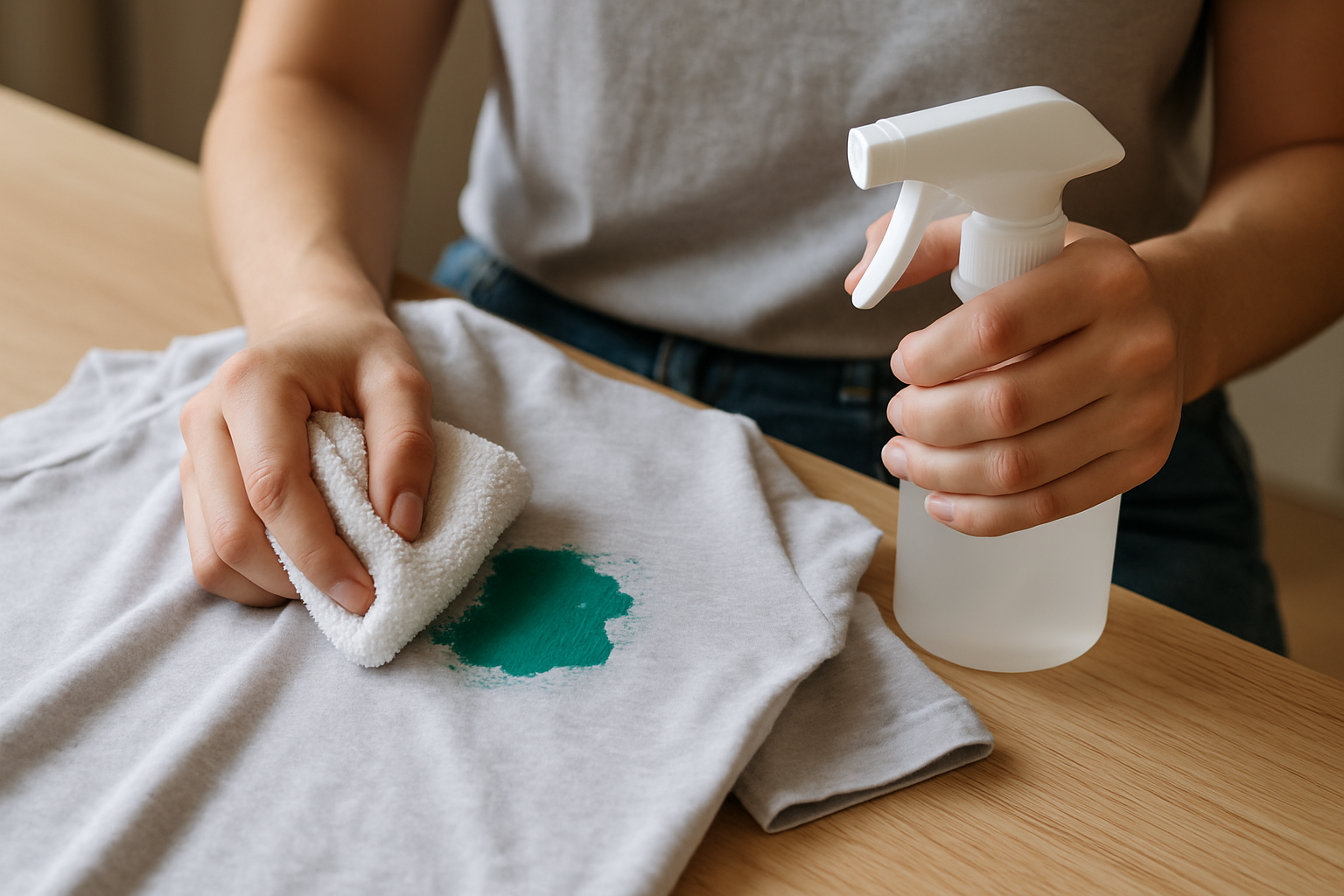
What Gets Acrylic Paint Off Clothes: Effective Solutions
Have you ever found yourself in a panic after discovering a splatter of acrylic paint on your favorite shirt? You’re not alone; many artists and DIY enthusiasts face this frustrating dilemma. Fortunately, knowing what gets acrylic paint off clothes can save your wardrobe from permanent damage. With over 15 years of experience in fabric care and cleaning solutions, I’m here to guide you through effective methods to tackle these stubborn stains. In this article, you’ll learn practical tips for removing acrylic paint from various fabrics, the best household items to use, and crucial steps to prevent further staining. Say goodbye to paint mishaps and hello to fresh, clean clothes.
Understanding Acrylic Paint and Its Properties
Acrylic paint is a versatile medium favored for its quick-drying and water-soluble properties. However, when it dries on fabric, it can become a stubborn stain. The polymer emulsion in acrylic paint forms a strong bond with fibers, making removal challenging. This section explores the nature of acrylic paint and why it adheres so well to clothing, which is vital for effective stain removal strategies.
How Acrylic Paint Bonds with Fabric
When acrylic paint dries, it forms a film that bonds tightly to the fabric fibers. This makes it difficult to remove without the right approach. The bond is particularly strong with natural fibers like cotton, which absorb moisture and paint more readily.
Key Points:
- Acrylic paint dries quickly, making prompt action essential.
- The bond between acrylic paint and fabric is strong, requiring specific methods for removal.
Initial Steps for Removing Acrylic Paint from Clothes
When dealing with acrylic paint stains, immediate action is crucial. The sooner you treat the stain, the better your chances of successful removal. Begin by assessing the fabric type and the age of the stain. This section outlines the essential first steps to take when tackling acrylic paint stains, ensuring you do not inadvertently set the stain further.
Identify the Fabric Type
Different fabrics respond differently to stain removal techniques. Natural fibers like cotton may withstand harsher treatments, while synthetic fibers could be more susceptible to damage. Knowing the fabric type helps you choose the most effective and safest removal method.
Key Points:
- Prompt treatment is vital for effective stain removal.
- Different fabrics require tailored approaches to prevent damage.
Understanding Acrylic Paint Stains
Acrylic paint can be a common nuisance when it accidentally spills onto clothing. Unlike traditional paints, acrylics dry quickly and bond to fabrics, making immediate action crucial. Understanding how acrylic paint interacts with various materials can help in choosing the best removal method. The water-soluble nature of acrylic paint means that fresh stains can often be treated effectively with water, while dried stains require more intensive methods. Knowing the fabric type is essential, as natural fibers like cotton respond differently to cleaning techniques compared to synthetic fibers like polyester.
Identifying Fabric Types
Different fabrics react uniquely to cleaning processes. Cotton and linen are more absorbent, making them easier to treat with water and soap. In contrast, synthetic fibers may require solvents for effective stain removal. It’s essential to check the care label on your clothing to avoid damaging the fabric during the cleaning process.
Timing is Key
The sooner you address an acrylic paint stain, the better your chances of complete removal. Fresh stains can often be blotted with water, while older stains may require scrubbing or soaking in a cleaning solution. The effectiveness of removal methods diminishes as the paint sets into the fabric, so immediate action is vital.
Key Points:
- Acrylic paint dries quickly; immediate action is critical.
- Fabric type influences the effectiveness of cleaning methods.
💡 Act quickly to treat stains to increase the likelihood of successful removal.
💡 Always test a small, inconspicuous area of the fabric before applying any cleaning solution.
Effective Stain Removal Techniques
Removing acrylic paint from clothing involves several methods, each suited for different scenarios. For fresh stains, rinsing with water may suffice, while older stains will require more intensive approaches. Some effective techniques include using soap, vinegar, and rubbing alcohol. Always follow a step-by-step process to avoid damaging the fabric. Additionally, some fabrics may have specific methods that work better than others, emphasizing the need for customization in your approach.
Using Soap and Water
For fresh acrylic paint stains, immediately rinse the fabric under cold water to flush out as much paint as possible. Then, apply a mild detergent directly to the stain and gently rub the fabric together, rinsing periodically. This method is often effective on cotton and other natural fibers, allowing for a straightforward cleaning process.
Utilizing Solvents for Dried Paint
For older, dried stains, solvents like rubbing alcohol can be effective. Dampen a cloth with the solvent and blot the stain, avoiding scrubbing, which may spread the paint. After treatment, wash the item as per the fabric care instructions. Always use solvents in a well-ventilated area and wear gloves to protect your skin.
Key Points:
- Fresh stains are easier to remove than dried ones.
- Different techniques are required based on the state of the stain.
💡 For stubborn stains, consider soaking the item in a solution of water and detergent before washing.
💡 Always follow up the stain removal with a regular wash to ensure any remaining residue is eliminated.
EXPERT TIPS Pro Advice
Use cold water instead of hot
Hot water can set the stain, making it harder to remove. Always start with cold water for the best results.
Don’t scrub aggressively
Scrubbing can damage the fabric and push the paint deeper into fibers. Instead, blot gently.
Rinse thoroughly after treatment
Rinsing removes any remaining cleaning agents, preventing fabric damage and ensuring cleanliness.
Check for paint residue before drying
If the stain remains, do not put the item in the dryer, as heat can set it. Repeat the cleaning process instead.
Frequently Asked Questions
Conclusion
Removing acrylic paint from clothes can be a straightforward process if addressed quickly. Soapy water works well for fresh stains, while rubbing alcohol or vinegar is effective for dried paint. Remember to wash the fabric afterward to ensure complete stain removal.
🎯 Key Takeaways:
- Act quickly for fresh acrylic paint stains.
- Use rubbing alcohol or vinegar for dried stains.
- Avoid bleach as it can damage fabrics.
- Always wash treated clothes afterward.
Expert Advice: For best results, test any cleaning solution on an inconspicuous fabric area first to avoid damage. Always handle stains gently to prevent further embedding them in the fibers.
Take proactive steps to protect your clothing while working with acrylic paint, and act swiftly if stains occur.